Everything You Need to Know Before Developing a Gojek Clone App
Introduction to Multi-Service App Development
The demand for on-demand services has changed how businesses operate in the digital space. Users now expect quick access to multiple services through a single platform. Whether it is booking a ride, ordering food, scheduling a repair service, or sending a parcel, everything is expected to be available in one app. This expectation has driven the rise of multi-service platforms, commonly known as super apps.
A Gojek Clone App offers a practical way to enter this market. Instead of building a complex system from the ground up, businesses can use a Gojek Clone solution to replicate a proven model and customize it according to their needs. With the support of a reliable Gojek Clone Script, businesses can develop a scalable platform that supports multiple services and handles growing user demand.
Before jumping into development, it is important to understand the key factors that influence the success of such a platform. This guide covers everything you need to know before developing a Gojek Clone App, helping you make informed decisions and avoid common mistakes.
Understanding the Gojek Clone App Ecosystem
What is a Gojek Clone App?
A Gojek Clone App is a multi-service application that combines various on-demand services into a single platform. It allows users to access different services without switching between apps.
Role of Gojek Clone Script
The Gojek Clone Script is the core technology that powers the platform. It manages user interactions, service requests, payments, and analytics.
Importance of Gojek Clone
The Gojek Clone ensures that all services are integrated seamlessly, providing a smooth user experience.
Key Components of the Platform
The ecosystem includes a customer app, service provider app, and admin dashboard. Each component plays a critical role in the overall functionality of the platform.
Why Businesses Are Investing in Gojek Clone Apps
Growing Demand for Convenience
Users prefer platforms that offer multiple services in one place, making a Gojek Clone Script highly effective.
Increased Revenue Opportunities
Multi-service platforms generate income from various sources.
Competitive Advantage
Offering multiple services gives businesses an edge in the market.
Scalability and Expansion
A well-built platform can grow with your business and expand into new markets.
Key Factors to Consider Before Development
Understanding Your Target Audience
Before developing your app, identify your target users and understand their needs, preferences, and behavior.
Selecting the Right Services
Decide which services you want to offer initially. It is better to start with core services and expand gradually.
Defining Your Business Model
Choose how your platform will generate revenue, such as commissions, service fees, or subscriptions.
Choosing the Right Technology
Select technologies that ensure scalability, performance, and security.
Budget and Resource Planning
Plan your budget and allocate resources efficiently to avoid overspending.

Essential Features for a Gojek Clone App
User-Friendly Interface
A simple and intuitive design improves user engagement.
Real-Time Tracking
Tracking features provide transparency and enhance user experience.
Secure Payment Integration
Multiple payment options ensure convenience and security.
Ratings and Reviews
Feedback systems help maintain service quality.
Push Notifications
Notifications keep users informed and engaged.
Read more: How Much Does It Cost to Develop an App Like Gojek in 2026?
Step-by-Step Development Process
Step 1: Planning and Research
Conduct market research and define your business strategy.
Step 2: Choosing a Gojek Clone Script
Select a script that offers scalability, customization, and essential features.
Step 3: Customization and Design
Adapt the platform to match your brand and user requirements.
Step 4: Backend Development
Set up backend systems to manage operations and data.
Step 5: Feature Integration
Add core features such as tracking, payments, and notifications.
Step 6: Testing and Quality Assurance
Ensure that the app functions smoothly and securely.
Step 7: Launch and Deployment
Deploy your app and make it available to users.
Step 8: Post-Launch Support
Monitor performance and make improvements based on feedback.
Technology Stack for Gojek Clone App Development
Frontend Technologies
The frontend should be responsive and user-friendly.
Backend Technologies
The backend should handle data processing and business logic efficiently.
Database Management
A reliable database ensures smooth data storage and retrieval.
Cloud Infrastructure
Cloud solutions provide scalability and performance.
Revenue Models for a Gojek Clone App
Commission-Based Model
Charge a commission on each transaction to generate revenue from your Gojek Clone.
Service Fees
Users can be charged for using specific services.
Subscription Plans
Offer premium features through subscriptions.
Advertising and Promotions
Businesses can pay for visibility within the app.
Challenges in Developing a Gojek Clone App
Technical Complexity
Managing multiple services requires advanced technology.
Operational Management
Coordinating different services can be challenging.
Maintaining Quality
Consistency across services is essential for user satisfaction.
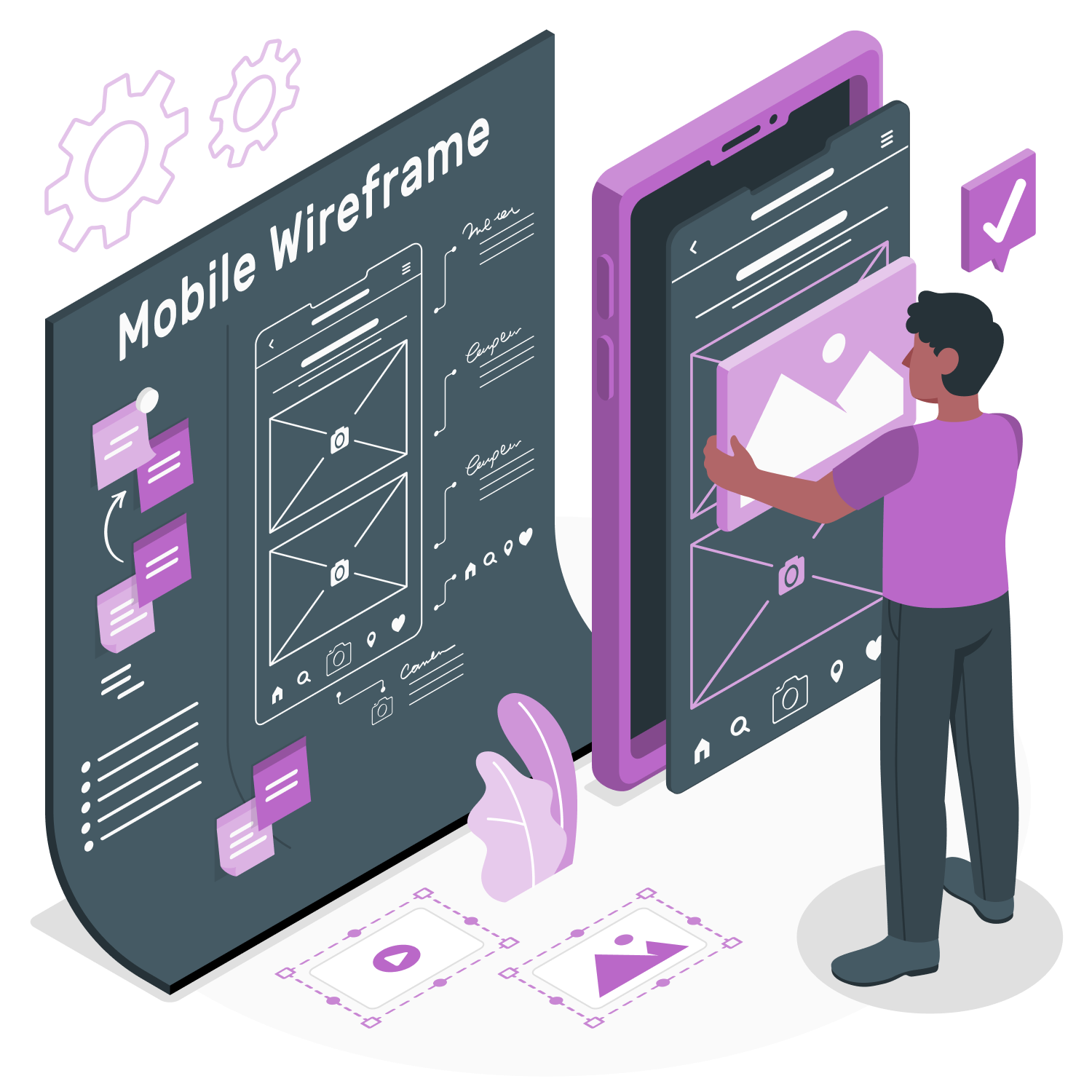
Best Practices for Successful Development
Focus on User Experience
Ensure that the app is easy to use and visually appealing.
Start with Core Services
Begin with a few key services and expand gradually.
Invest in Reliable Technology
Choose technologies that ensure stability and scalability.
Build Strong Partnerships
Collaborate with service providers for better reach.
Continuously Improve the Platform
Regular updates and improvements keep your app competitive.
Future Trends in Gojek Clone App Development
Integration of AI and Automation
AI will improve efficiency and personalization.
Expansion into New Services
Super apps will continue to add new services.
Focus on Sustainability
Eco-friendly practices are becoming important.
Conclusion
Developing a Gojek Clone App requires careful planning, the right technology, and a clear understanding of your business goals. It is not just about building a multi-service platform but about creating a system that delivers value to users while maintaining efficiency and scalability. By focusing on user experience, selecting the right features, and continuously improving the platform, businesses can build a strong presence in the competitive on-demand market.
Success depends on making informed decisions at every stage of development and adapting to changing user expectations. With the support of expert on demand app development services, your platform can achieve long-term growth, reliability, and a competitive edge in the evolving digital landscape.
FAQs
What is a Gojek Clone App?
A Gojek Clone App is a multi-service platform that allows businesses to offer various on-demand services in one application.
What features are essential in a Gojek Clone App?
Key features include real-time tracking, secure payments, user-friendly interface, and multi-service integration.
Can I customize a Gojek Clone Script?
Yes, most scripts are fully customizable, allowing you to modify features and design.
How do I choose the right services for my app?
Analyze your target audience and market demand to select services that provide maximum value.
How can I ensure the success of my Gojek Clone App?
Focus on user experience, reliable technology, strong marketing strategies, and continuous improvements.
